


Pigmentation
*
Pigmentation *
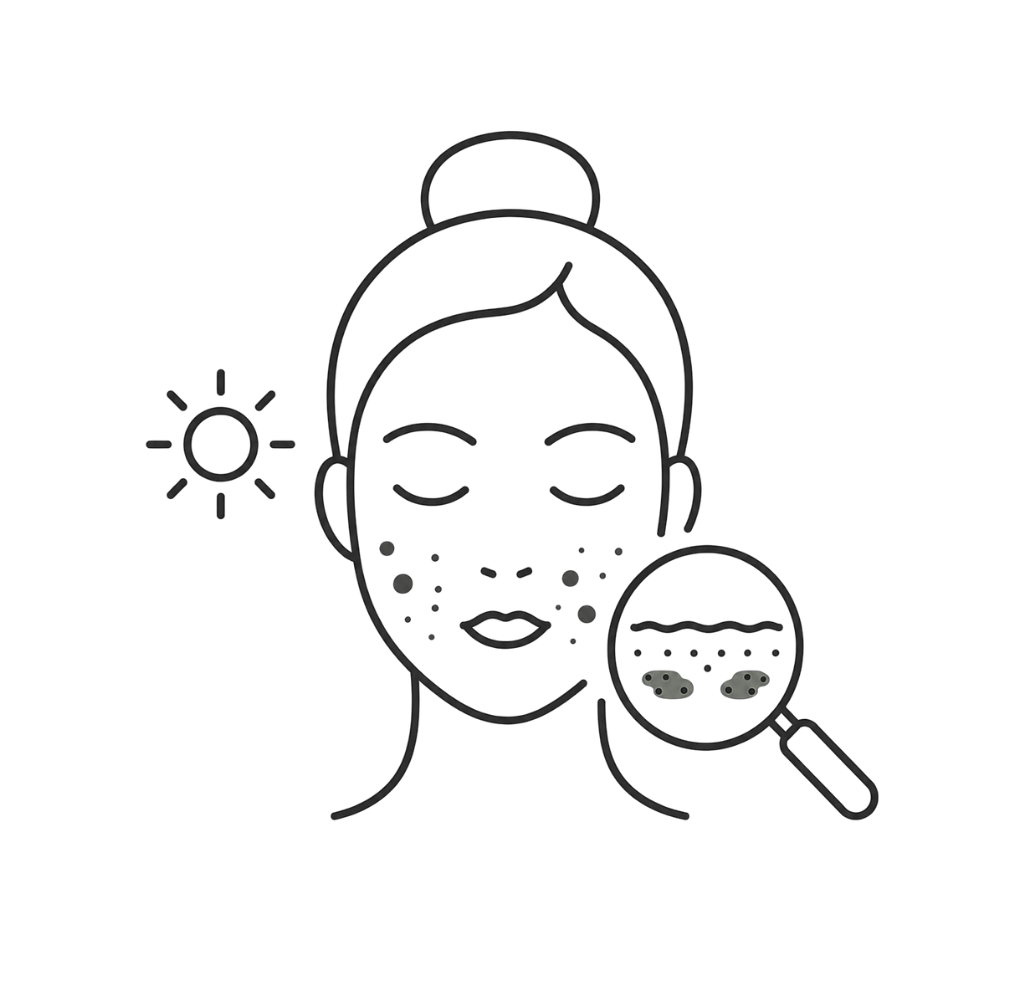
Pigmentation can appear as freckles, sun spots, uneven patches, post-breakout marks or larger areas of discolouration.
While these concerns can look similar on the surface, they do not necessarily behave in the same way or respond to the same treatment.
At Sibu Skin and Beauty, we first consider what may be contributing to the pigmentation, how your skin is functioning now and which treatment approach is appropriate for your skin.
Every treatment starts with the health of your skin. Visible results follow naturally when your skin is genuinely well cared for — not the other way around.
Understanding Pigmentation
Pigmentation occurs when melanin — the pigment that gives skin its colour — is produced or distributed unevenly.
It can present in several different ways, including:
freckles and sun spots
uneven skin tone
pigmentation following inflammation or breakouts
melasma or hormonally influenced pigmentation
areas of pigmentation associated with cumulative sun exposure
pigmentation alongside redness, dehydration or other skin concerns
Understanding what type of pigmentation is present is important because pigmentation is not one single condition.
For example, pigmentation caused primarily by UV exposure may respond differently from hormonally influenced melasma or pigmentation left behind after inflammation.
That is why we do not recommend the same pigment treatment for every client.
Not Sure Where to Start?
Pigmentation is one of the concerns where assessment matters.
Our Welcome Treatment is suited to new clients who would like professional guidance together with a treatment, while a Skin Consultation is available when you want dedicated assessment and treatment planning first.
A consultation is particularly useful if you:
are unsure what type of pigmentation you have
have melasma or hormonally influenced pigmentation
have pigmentation alongside sensitivity or inflammation
have darker skin or are concerned about the risk of pigmentation change
are considering IPL, laser or more advanced resurfacing
have tried pigment products or treatments without lasting improvement
are taking medication that may affect treatment suitability
Some pigmentation treatments also require additional suitability assessment or patch testing before treatment can proceed.
RECOMMENDED TREATMENTS
There is no single “best” pigmentation treatment.
The most appropriate option depends on the type and depth of pigmentation, your skin tone, sensitivity, current home care and how stable the skin is at the time of treatment.
-
Usually our most adaptable starting treatment when pigmentation is a concern but the skin also needs ongoing support.
Your therapist assesses the skin at each appointment and adjusts the treatment according to what it needs at that stage.
This allows us to work on skin brightness and uneven tone while continuing to support hydration, barrier health and overall skin function.
-
Learn more about our Signature – Pigmentation treatment, including who it is suited to, what the treatment involves and what results to expect.

-
IPL Skin Rejuvenation uses controlled light energy to target suitable pigmentation within the skin.
It can be particularly effective for pigmentation associated with sun exposure and may also address redness and vascular concerns where appropriate.
IPL is not suitable for every type of pigmentation or every skin tone, so assessment and treatment suitability are essential before proceeding.
-
Learn more about IPL Skin Rejuvenation, including the pigmentation concerns it may help improve, consultation requirements and what to expect from treatment.

-
MelanoPro is a more intensive pigmentation-focused treatment pathway designed for clients requiring targeted pigment correction.
It involves professional treatment together with a structured home-care phase and requires commitment to the full protocol, including strict sun protection.
Because not every pigmentation concern is appropriate for MelanoPro, a dedicated consultation is required first.
-
Learn more about MelanoPro Pigment Skin Peel, including who it is suited to, the consultation process, treatment pathway and required home-care programme.

-
China Doll may be considered when superficial pigmentation, uneven tone, pore appearance and skin texture are being treated together.
It is generally positioned as a secondary option rather than the first treatment for more complex pigmentation such as melasma.
-
Learn more about China Doll Laser Facial, including how carbon-assisted laser treatment may help improve pigmentation, congestion, enlarged pores and uneven skin texture.
-
A professional resurfacing treatment that may be used where pigmentation, uneven tone and surface texture are part of the concern.
The strength and treatment approach are selected according to the condition of the skin rather than automatically choosing the strongest available peel.
It may form part of a broader pigmentation plan alongside ongoing skin support and home care.
-
Learn more about Multi-Layer Peel, including the pigmentation, congestion and texture concerns it may help improve, how the treatment is customised and what to expect afterwards.

How We Customise Your Pigmentation Treatment
Pigmentation does not always need the same treatment approach at every appointment. We adapt your treatment according to the type of pigmentation present, how your skin is responding, your current home care and what your skin can comfortably tolerate.
Depending on what your skin needs at each appointment, your treatment may incorporate:

Extractions
Where suitable, professional extractions may be incorporated to clear congestion and support clearer, brighter skin without unnecessarily irritating or traumatising the skin.
Hydrodermabrasion
Hydrodermabrasion may be incorporated when the skin would benefit from deeper cleansing, hydration and gentle surface refinement. This can help improve clarity and smoothness while preparing the skin for other appropriate treatment steps.


Enzyme Treatment Boost
An Enzyme Treatment Boost may be incorporated when the skin would benefit from additional exfoliation and surface refinement without immediately progressing to a stronger resurfacing treatment. It gives your therapist another way to customise the treatment according to what your skin needs on the day.

Peels & Advanced Resurfacing
Professional peels or advanced resurfacing may be incorporated when more targeted support is appropriate for pigmentation, uneven tone or surface texture. The strength and type of resurfacing are selected according to your skin, pigmentation and treatment stage.
How We Choose the Right
Pigmentation Pathway
Pigmentation treatment is not simply about choosing the strongest treatment.
The type of pigmentation matters.
Sun Spots & UV Pigmentation
Freckles, sun spots and uneven pigmentation caused by cumulative sun exposure may respond well to treatments that directly target melanin, including suitable light or laser-based treatments.
The amount of recent sun exposure and your skin tone must also be considered before treatment.
Melasma & Hormonal Pigmentation
Melasma behaves differently from simple sun spots.
Heat, UV exposure, hormones, inflammation and skin irritation can all influence it, which means aggressive treatment is not always better.
Treatment generally requires a longer-term strategy that combines appropriate professional treatment, careful home care and ongoing sun protection.
Post-Breakout Pigmentation
Dark or red marks left after breakouts are not necessarily active acne or true scarring.
The first priority may be controlling the inflammation and preventing further breakouts before moving into more corrective pigment treatment.
If active acne is still the main concern, see our Acne & Congestion page.
Pigmentation With Sensitivity or Barrier Impairment
If the skin is inflamed, dehydrated, reactive or compromised, we may need to strengthen and stabilise it before progressing to more intensive pigment correction.
Trying to correct pigmentation while repeatedly irritating the skin can sometimes make pigmentation more difficult to manage.
Skin health therefore remains part of the pigmentation plan, not something separate from it.
Introduce the most appropriate corrective treatment — which may include Signature treatments, professional resurfacing, IPL, laser or MelanoPro depending on the skin.

3. Protect & Maintain

Support results with appropriate home care, consistent SPF and maintenance treatment where required.
Identify the type of pigmentation, assess skin health and address sensitivity, dehydration or inflammation where necessary.
1. Assess & Stabilise

2. Target the Pigmentation
Pigmentation has a tendency to recur when its triggers remain present, particularly where UV exposure, hormones or inflammation are involved.
The goal is therefore not only to improve visible pigmentation, but to manage the factors that influence it over time.
Pigmentation & Healthy Ageing
Pigmentation and visible skin ageing often develop together because cumulative sun exposure contributes to both uneven pigment and changes in skin quality.
If pigmentation sits alongside concerns such as fine lines, laxity or loss of firmness, your overall treatment plan may eventually address both.
Our Healthy Ageing page explains the wider treatment options available when ageing changes are also a priority.
SPF Is Part of Pigmentation Treatment
Professional pigmentation treatment can only do so much if the skin is repeatedly exposed to UV.
Daily broad-spectrum SPF is one of the most important parts of any pigmentation plan.
This is particularly important during treatment programs involving IPL, laser, peels or other resurfacing treatments, where sun exposure may also increase the risk of unwanted pigment changes.
Sun protection should therefore be considered part of your treatment strategy rather than simply an aftercare step.
Home Care Matters
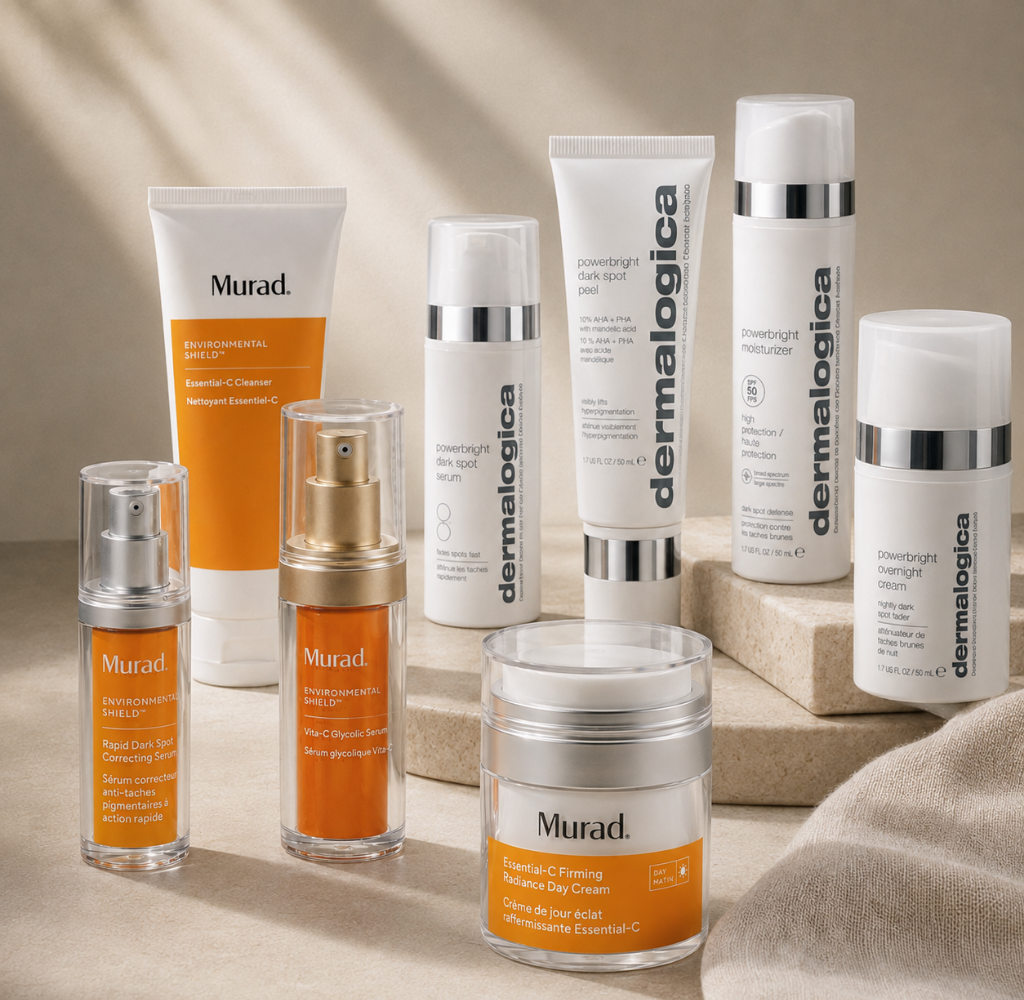
Pigmentation products are often active, but using more products does not necessarily produce faster results.
Layering multiple acids, retinoids, exfoliants and brightening products can irritate the skin and potentially worsen pigmentation in skin that is already reactive.
Your therapist can help you build a routine that supports pigment correction while also protecting the skin barrier.

Understanding Pigmentation
Understanding what type of pigmentation you are dealing with makes treatment decisions much easier.
Relevant education topics may include melasma, sun spots, post-inflammatory pigmentation, why pigmentation can return, why SPF matters, treatment suitability and what to expect from different pigmentation treatment pathways.
As these articles are added to the Sibu Education Hub, they can be linked directly from this page for clients who want to understand their pigmentation in more depth.

Not Sure Where to Start?
You do not need to decide between IPL, MelanoPro, peels or a Signature treatment yourself.
We can first assess the pigmentation, your skin health and your treatment goals, then recommend the most appropriate starting point.
Choose our Welcome Treatment if you would like assessment together with treatment, or a Skin Consultation if you would prefer dedicated assessment and planning first.
FREQUENTLY ASKED QUESTIONS
-
Sun spots are commonly associated with cumulative UV exposure and often appear as more defined areas of pigmentation.
Melasma tends to present as larger, less clearly defined patches and can be influenced by hormones, UV exposure, heat and inflammation.
Because they behave differently, the treatment approach may also be different.
-
Some light and laser treatments require suitability assessment and patch testing before treatment.
This allows us to assess how your skin responds and helps your therapist select appropriate treatment settings before treating a larger area.
It is an important safety step rather than simply an administrative requirement.
-
There is no single number because the type, depth and cause of pigmentation vary considerably.
Some superficial pigmentation may respond relatively quickly, while melasma and more persistent pigmentation generally require a longer-term management approach.
Your therapist will assess how your skin responds and adjust your treatment plan over time rather than promising a fixed result after a specific number of sessions.
-
Yes.
Pigmentation can recur, particularly where UV exposure, hormones, heat or inflammation continue to trigger melanin production.
For this reason, maintenance treatment and consistent sun protection may be just as important as the initial corrective treatment.
-
No.
IPL can be very effective for suitable pigmentation, particularly some forms of sun-related pigment, but it is not appropriate for every pigmentation pattern or every skin type.
Melasma, recent tanning, certain medications and higher melanin levels all require particular consideration before treatment.
Your therapist will assess whether IPL is appropriate rather than assuming all pigmentation should be treated with light.
-
Yes, but treatment selection is particularly important.
Melanin itself absorbs light and energy, which means some treatments carry a higher risk of unwanted lightening or darkening in higher Fitzpatrick skin types.
Your therapist will assess your skin tone, pigmentation type and treatment history before recommending an appropriate approach.
-
Often yes, but we may not begin with intensive pigment correction.
If the skin is inflamed, reactive or barrier-impaired, strengthening and calming the skin first may reduce the risk of further irritation and pigment change.
Your treatment plan can then progress as your skin becomes more stable.